
Tugboat races, commonly known as tug races, are competitions among tugs that involve a one-mile-long race among other events. The competitions are held once every year to entertain and educate the community about the maritime world and the role it plays. Tugboat races last between 1-3 days.
New York City’s annual tugboat race dates back to 1991 and has been taking place annually. The three-decade-old race takes place every August in the Hudson River before Labor Day and involves nose-to-nose pushing and line toss. In this race, participants showcase their skills in the maritime industry and their prowess in maneuvering through the waters. The race starts at 79th Street and through to Pier 84 at 44th Street.
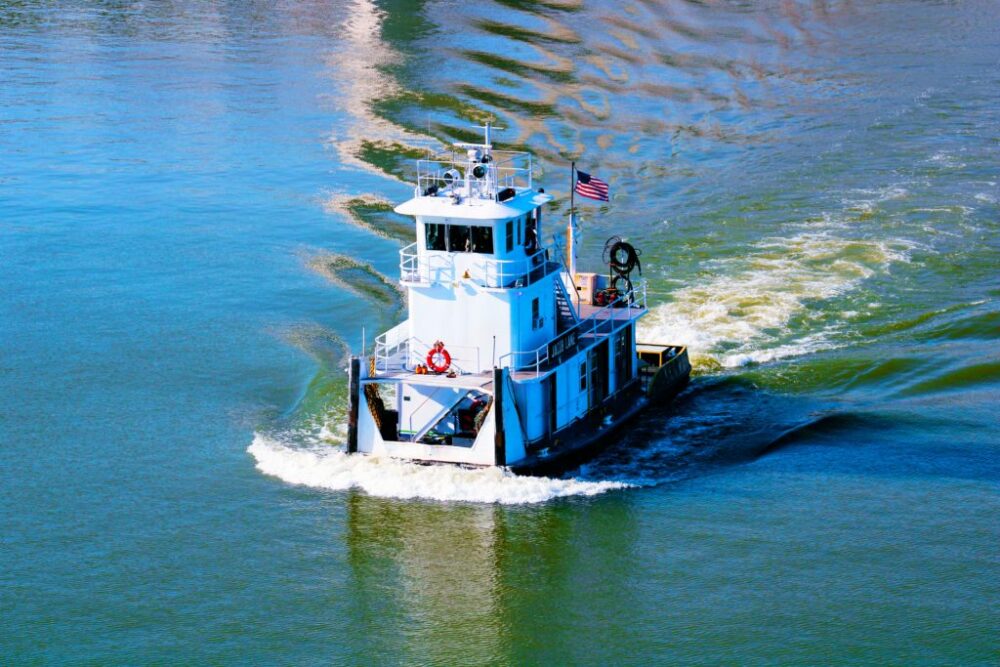
NYC’s annual tug races are not just about competing tugs, but a collection of events lasting up to three days. Spectators also have their fan-filled events in this Manhattan-based occasion as highlighted in this post.
Who Founded NYC’s Annual Tugboat Races
Captain Jerry Roberts is the founder of this popular event in New York. It was first held in 1991 where he was the chief announcer, a position that he held for many years that followed.
As the event became popular and attracted more participants and spectators, the Working Harbor Committee took over the planning and control. Other organizations that sponsor the event are NY maritime-related organizations. They include Hudson River Park Trust and Friends of Hudson River Park.
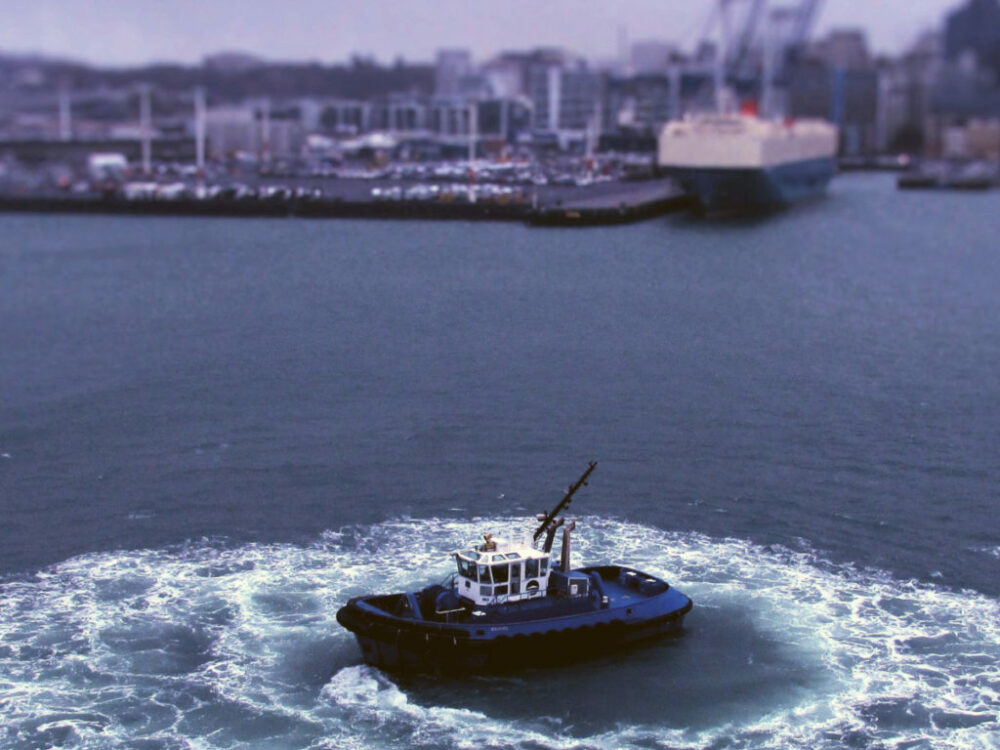
The idea behind the inception of this event was to allow the maritime community to showcase their hard work sensitize the community on the activities in the maritime world and show them the future potential of the harbor. It was more than a race.
Captain Jerry passed on in March 2014 but the annual event has been there, up to 2020 when it was halted due to the pandemic.
Who Organizes the Annual Race?
The body that organizes the annual tugboat race in NYC is the Working Harbor Committee. Other maritime-related organizations such as the Circle Line Sightseeing Cruises also have their input. Note that this is a non-profit making event that focuses more on sensitizing the community and the world at large about the rich maritime history.
Prior to the event, WHC registers the tugs willing to participate and prepares the prizes and the spectators’ events.
How Many Boats Can Take Part in the Race?
NYC’s tugboat race is an open event for any vessel available. There is no limit to the number of boats to participate but the number varies every year depending on availability. Over the years, the number of tugs participating has ranged between 12- 22, representing about 10 companies.
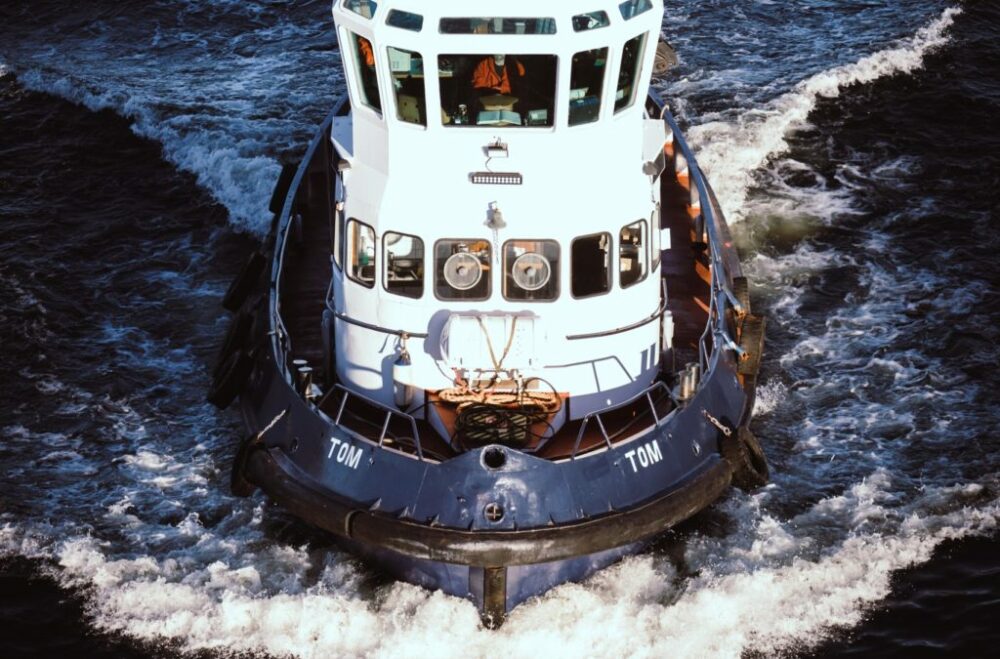
The number has taken an upward trend over the years from 2010 onwards. In 2021, it was projected to be more than 200 but the event never took place. Many companies have shown interest.
As the situation in the world normalizes, the event is expected to take place and more tugs are likely to participate as seen from the recent trends.
Spectators’ Competition
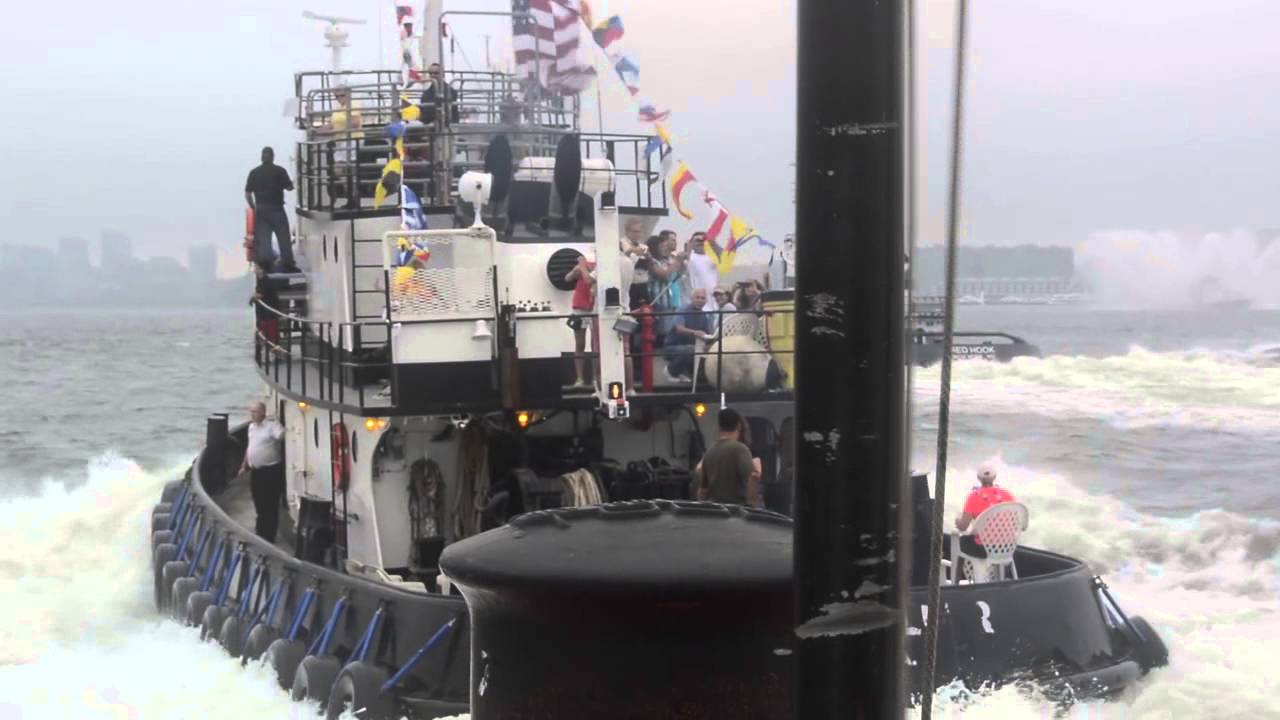
The NYC annual tug race is inclusive and allows fans to participate in different events. The race starts with the participating tugs racing from 79th Street to Pier 84 at 44th Street. The race is followed by nose-to-nose pushing on water after which spectators take the stage.
Knot tying is one of the events fans compete in, which ends like a tug of war. Others participate in an on-landline toss and a more inclusive event for an all-spinach-eating competition.
Kids are not left out, plenty of kid’s activities crown the event like free catch-and-release fishing and splashing. Winners in various events are awarded prizes, but the interaction and sensitization sessions are a win for everyone in the event.
How Risky or Safe Are the Annual NYC Tugboat Races?
Before the race commences, safety measures are put in place to protect the crew in the participating tugs, and the spectators. Some of the regulations put in place include:
- Restriction of entry to the regulated area where only participants are allowed to enter
- A coast guard was set up to control the number of vessels entering the regulated area. The guard may forbid entry by vessels in case of impending danger.
- Sending signals to vessels to stop, change direction, or avoid entry to an area through blasts.
- Restricting spectators to the chartered circle line along the shore or ferrying them in a spectator boat.
The above and other operational regulations set by the maritime industry have helped to keep participants and spectators from danger. However, accidents occasionally occur when:
- Boats become slippery and result in crushing or falling overboard
- Heavy lifting may lead to imbalance and capsize.
Impact of Covid-19 on the NYC Annual Tugboat Races
In the last two years, the annual tugboat race has been canceled following the pandemic. Thousands of people gather every year along the shores of the Hudson River and aboard the spectator boats to view and participate in the event. Although many people expressed their interest in participating, it proved difficult to observe the safety measures in a big crowd.
Will the event take place in 2022? This question remains to be answered by the WHC. The situation is regaining normalcy, and many companies and fans hope that the event will take place later this year. The same refers to the popular New York and New Jersey boat tour “Hidden Harbor” that hopefully will be announced to be resumed.
The Future of NYC Tugboat Race
This annual event has attracted thousands of fans in the past, and the number of companies participating increases annually. Based on this trend, the event is set to expand and attract global fans in the future. This however remains subject to any changes in the Covid-19 protocols.
Final Thoughts
New York City’s annual tugboat races have played a crucial role in educating the natives about their rich history and the role of the maritime world in their well-being and inspiring them to apply to maritime colleges and build a navy on maritime careers. Every event seeks to inform the fans and community about New Jersey Harbor’s current vitality and future potential for the economic growth of the region.
It is a race where everyone’s a winner.


Leave a Reply